Homeownership comes with a multitude of responsibilities, and among these, plumbing maintenance often takes a back seat until an issue arises. The reality is that plumbing systems are complex networks that require regular care to function efficiently and effectively. Preventive plumbing maintenance serves as the cornerstone of home health, not just for the plumbing system itself but for the overall integrity of your living environment. This article will explore the importance of routine plumbing maintenance, the benefits it offers, and practical steps homeowners can take to ensure their plumbing systems remain in optimal condition.
Understanding Preventive Plumbing Maintenance
Preventive plumbing maintenance involves scheduled inspections and services designed to address potential issues before they escalate into costly repairs. This proactive approach encompasses various tasks, including checking for leaks, inspecting pipes and fixtures, testing water pressure, and ensuring proper drainage. In Minneapolis, MN, where the climate can be harsh, preventive measures are particularly vital to prevent freezing pipes during winter months.
The primary aim of preventive plumbing maintenance is to extend the life of your plumbing system. Just like regular check-ups at a doctor’s office can help catch health issues early on, routine inspections by a qualified plumber can identify potential problems before they lead to significant damage. This approach not only saves money in the long run but also provides peace of mind knowing that your home is safeguarded against unexpected plumbing emergencies.
The Benefits of Routine Plumbing Maintenance
Engaging in planned plumbing maintenance comes with numerous advantages that far outweigh any initial costs associated with hiring a professional. Regular inspections can lead to:
Early Detection of Issues: Problems such as slow leaks or corroded pipes may not be immediately apparent but can cause extensive damage over time if left unchecked. A thorough inspection allows for early detection.
Cost Savings: Addressing minor issues proactively prevents them from escalating into major repairs which can be significantly more expensive. Studies suggest that routine maintenance could reduce repair costs by up to 30 percent.
Improved Efficiency: A well-maintained plumbing system operates more efficiently, leading to lower water bills and reduced energy costs associated with heating water.
Increased Property Value: Keeping your plumbing system in top shape enhances your home’s overall value and appeal when it comes time to sell.
Peace of Mind: Knowing that your plumbing system has been inspected regularly instills confidence that you won’t be faced with unexpected failures or emergencies.
Each benefit contributes not only to the functionality of your home but also enhances the quality of life within it.
Common Plumbing Issues That Can Be Prevented
Understanding common plumbing issues helps underscore the importance of routine maintenance. Some frequent problems include:
- Clogged Drains: Over time, debris builds up in drains leading to blockages which can cause flooding or sewage backups. Leaky Faucets: Even small leaks can waste gallons of water annually and increase utility bills significantly if not addressed. Pipe Corrosion: Aging pipes may develop rust or corrosion that compromises their integrity and leads to leaks. Running Toilets: This common issue wastes both water and money; however, it is often easily fixable with regular checks. Water Heater Failure: Sediment buildup in water heaters can reduce efficiency; routine flushing helps maintain performance.
Each of these issues represents scenarios where preventive measures could save homeowners both time and money while preserving their property’s health.
Establishing a Plumbing Maintenance Program
effective plumbing system maintenanceTo reap the benefits discussed above, establishing a comprehensive plumbing maintenance program is essential. Here are several key components:
Regular Inspections: Schedule annual or biannual inspections with a licensed plumber who understands local building codes and regulations specific to Minneapolis.
Routine Cleaning: Make it a habit to clean drains regularly using safe methods such as baking soda and vinegar or enzymatic cleaners rather than harsh chemicals that may harm pipes.
Documenting Repairs and Services: Keep detailed records of all services performed on your plumbing system along with any repairs made; this documentation will prove invaluable when selling your home or addressing ongoing concerns.
Emergency Preparedness Plan: Have a plan in place for dealing with emergencies such as burst pipes or sewer backups; knowing whom to call at any given moment alleviates stress during crises.
Education on Usage Practices: Educate all household members about proper usage practices—such as what can safely go down drains—to minimize strain on your plumbing system.
By taking these steps seriously, homeowners create an effective framework for maintaining their plumbing systems over time.
The Role of Professional Plumbers in Maintenance
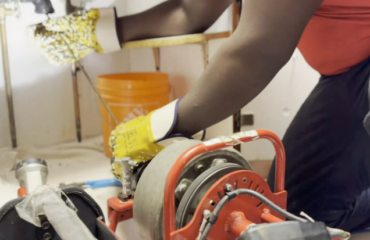
While some aspects of preventive maintenance can be handled at home—like monitoring for leaks—many tasks require professional expertise. A licensed plumber brings specific skills and tools necessary for thorough inspections and repairs which may include:
- Advanced leak detection Video camera inspections for hidden clogs Pressure testing pipelines Assessing compliance with local codes
Investing in a professional service plan ensures access to plumbing service plan prompt assistance when required while also incorporating regular checkups based on individual needs—tailored specifically towards each homeowner's unique circumstances.
Cost Considerations
The cost associated with preventive maintenance varies based on factors such as property size, age of existing infrastructure, frequency of service visits, and additional features selected within service plans offered by plumbers in Minneapolis area.
On average homeowners might expect basic inspection fees ranging anywhere from $100-$300 depending on complexity involved; however many companies offer service agreements which provide discounted rates on scheduled visits throughout year while allowing peace-of-mind coverage should an emergency arise unexpectedly.
Ultimately investing upfront pays off significantly over lifetime ownership both through enhanced safety standards achieved within home environment alongside reduced chances encountering larger-scale repairs down road leading unnecessary financial burdens imposed upon families already strained budgets especially during challenging economic times experienced today across nation-wide landscape.
Environmental Considerations
As awareness grows about environmental sustainability efforts among consumers nationwide so too does interest surrounding eco-friendly alternatives applied towards traditional practices such as those found within residential settings regarding energy conservation initiatives aimed mitigating carbon footprints left behind by outdated systems commonly seen across homes built decades ago prior climate change awareness campaigns gained traction amongst public discourse around globe today!
Incorporating green technologies into existing systems enhances overall performance while simultaneously reducing negative impacts inflicted upon surroundings through inefficient use resources available locally where applicable—aspects integral promoting healthier lifestyles encouraged throughout communities!
For instance installing low-flow faucets toilets etc., promotes conservation values aligns closely societal goals striving achieve sustainable future generations ahead!
By engaging responsibly employing preventive strategies combined innovative solutions individuals contribute greater good shared responsibility safeguarding planet we live ensuring future generations inherit world without needless burdens imposed upon them unnecessarily caused neglectful behaviors exhibited past present moments life journey taken together collectively united purpose!
Conclusion
Preventive plumbing maintenance is not merely an option; it is essential for maintaining your home's health over time. From saving money on costly repairs by catching issues early to enhancing efficiency within systems ultimately contributing towards holistic well-being experienced throughout entire household dynamics established strong foundation built trust between residents partners alike invested long-term care upkeep longevity assets acquired!
Homeowners must prioritize regular inspections maintain open dialogues professionals lend assistance whenever needed embrace proactive mindset foster resilience amidst uncertain tides faced daily navigate complexities arising inevitably during course events unfold gracefully adjusting accordingly maximize opportunities laid forth pave way brighter tomorrow ahead!