Water quality is a vital aspect of public health, household comfort, and the longevity of plumbing systems. In Minneapolis, where the water supply comes from a blend of surface water sources including the Mississippi River and several lakes, residents often take for granted the cleanliness and safety of their tap water. However, understanding the characteristics of this water and how they impact plumbing systems can lead to better maintenance practices that ultimately save time, money, and stress.
The Importance of Water Quality
Water quality refers to the chemical, physical, and biological characteristics of water in relation to its intended use. Whether it’s for drinking, cooking, or bathing, knowing what’s in your water is crucial. Contaminants can not only pose health risks but also wreak havoc on plumbing systems. Hardness levels, pH balance, and mineral content are particularly significant factors.
Hard water is a common issue in many areas, including parts of Minneapolis. It contains high levels of calcium and magnesium ions which can lead to scale buildup inside pipes. Over time, this accumulation can restrict flow and reduce efficiency within the plumbing system. If left unchecked, it can result in costly repairs or replacements.
Conversely, soft water—which often results from municipal treatment processes—can lead to corrosion in older pipes made from certain metals. This is particularly concerning for homes built before the 1980s when lead piping was more common. Regular inspection and testing for corrosive properties are essential for maintaining a healthy plumbing system.
Assessing Local Water Quality
In Minneapolis, residents have access to annual Consumer Confidence Reports (CCRs) published by local utilities. These reports provide valuable insights into contaminants detected in the drinking water supply along with their concentrations relative to federal standards. By reviewing these reports regularly, homeowners can gain clarity on any potential issues affecting their plumbing systems.
For example, if a report indicates higher-than-acceptable levels of chlorine or chloramine used as disinfectants during treatment processes, homeowners may need to consider additional filtration systems. A quality filter can help mitigate the effects of these chemicals which could otherwise lead to pipe deterioration over time.
Testing your home’s plumbing system for hardness levels is also essential for understanding how your local water quality impacts your pipes and fixtures. Homeowners can purchase test kits or hire professional services that specialize in plumbing inspection and maintenance.
The Role of Plumbing Maintenance
Regular plumbing maintenance is crucial for preventing issues related to poor water quality. A proactive approach involves scheduled inspections where professionals evaluate not only the condition of pipes but also the effectiveness of existing filtration or softening systems.
A comprehensive plumbing maintenance program typically includes:
Routine Inspections: Checking pipes for leaks or signs of corrosion. Water Quality Testing: Analyzing samples for contaminants or imbalances. Scale Removal Services: Addressing hard water issues through descaling treatments. Filter Changes: Ensuring that any installed filtration systems are functioning properly. Corrosion Control: Adding inhibitors when necessary to protect older pipes.
By engaging in planned plumbing maintenance activities like these at least once a year—or more frequently if issues arise—homeowners can significantly extend the life expectancy of their plumbing systems while minimizing unexpected costs associated with repairs.
Practical Steps for Homeowners
Managing your home's plumbing health begins with understanding your specific needs based on local conditions. Here are some practical steps you might consider:
- Install Water Softeners: If hard water is an issue identified through testing or local reports, installing a whole-house water softener can prevent scale buildup. Use Appropriate Filtration Systems: Depending on the contaminants present in your area’s water supply—whether it be chlorine taste or heavy metals—select filters that specifically target those impurities. Conduct Routine Inspections: Schedule regular check-ups with licensed plumbers who offer comprehensive evaluations as part of a service plan tailored to your home’s unique requirements. Educate Yourself About Local Resources: Taking advantage of community resources such as workshops hosted by local utilities about maintaining safe drinking water at home can be beneficial. Keep an Eye on Changes: Be vigilant about changes in water pressure or quality; these could indicate underlying issues needing immediate attention before they escalate into larger problems.
The Cost-Benefit Analysis
Investing time and resources into proper plumbing maintenance might seem daunting initially but when weighed against potential repair costs due to neglecting issues stemming from poor water quality—it becomes clear that being proactive pays off substantially over time.
For instance, replacing corroded pipes due to untreated hard water could easily run thousands of dollars depending on square footage affected within a home versus spending hundreds annually on routine maintenance checks or preventative installations like softeners/filters upfront.
Moreover, there’s value beyond financial savings; maintaining high-quality drinking water contributes positively towards overall family health while reducing stress associated with sudden breakdowns due largely from neglecting critical components like regular inspections/testing/check-ups etc.
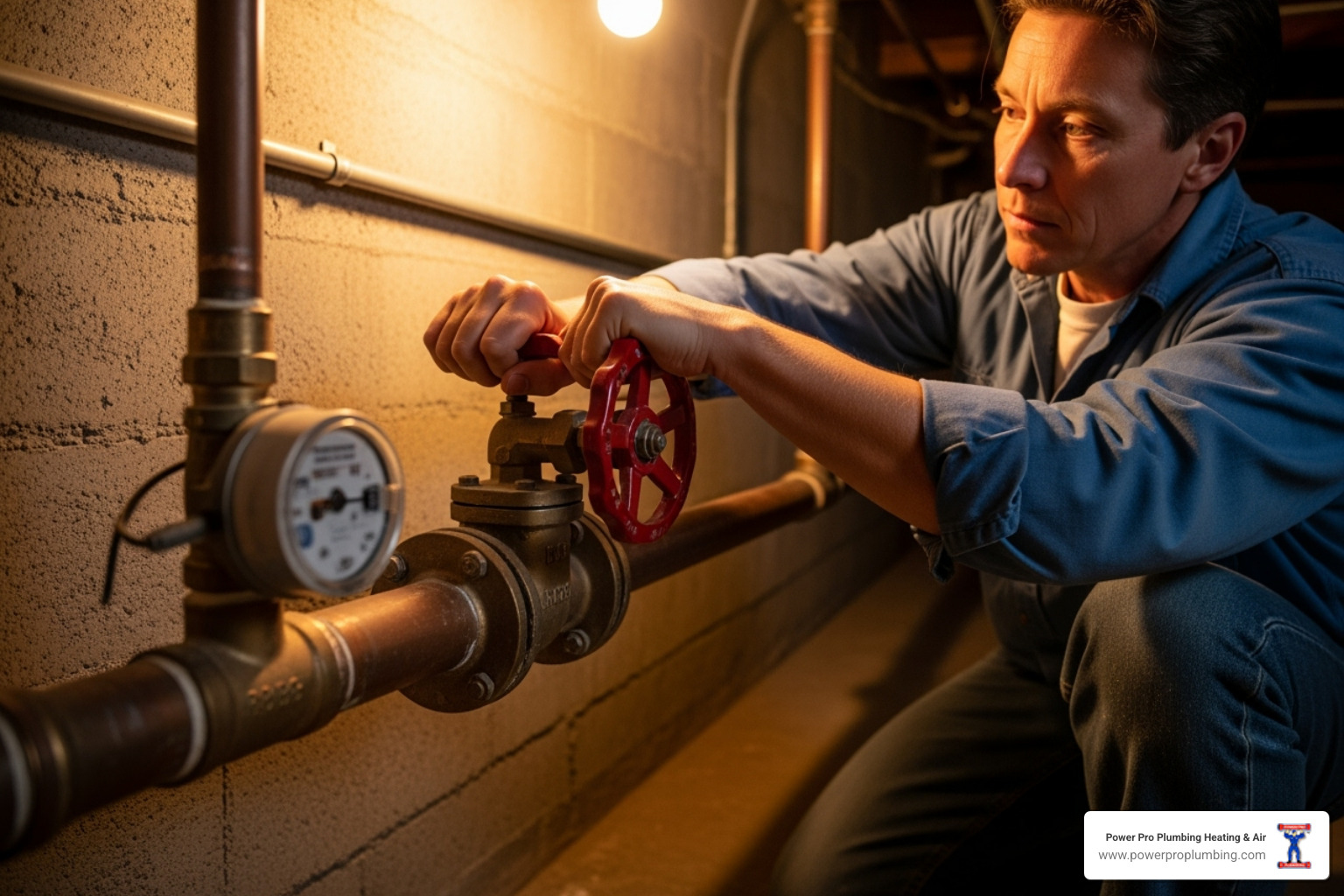
Engaging with Professionals
Establishing a relationship with trusted plumbers who understand local conditions will enhance your ability to maintain optimal performance within your home’s infrastructure over time—a strategy especially important given climatic variations affecting Minnesota's winters/summers alike which may influence wear-and-tear patterns differently year-round!
custom plumbing maintenance programWhen selecting contractors ensure they possess relevant certifications alongside positive reviews from previous clients demonstrating their reliability regarding both emergency responses & routine service offerings alike—this helps safeguard against unnecessary headaches later down-the-line should problems arise unexpectedly without warning!
Additionally seeking out those offering comprehensive service agreements allows homeowners peace-of-mind knowing they'll receive both regular inspections & timely interventions whenever required—all while adhering strictly towards industry best practices ensuring compliance throughout making sure everything remains up-to-code consistently throughout every season experienced here locally too!
Conclusion
Understanding how varying aspects related specifically toward local-water-quality affect overall-plumbing-health cannot be overstated; being aware enables smarter decisions around investments made not just financially but also towards safeguarding family health/wellbeing collectively too! By incorporating robust preventive measures alongside consistent communication lines opened-up between professionals engaged directly via ongoing-maintenance-programs established early-on ensures lasting benefits well worth pursuing—as one navigates life across beautiful-Minneapolis-MN enjoying clean-safe-water-flowing freely throughout homes everywhere here happily together!